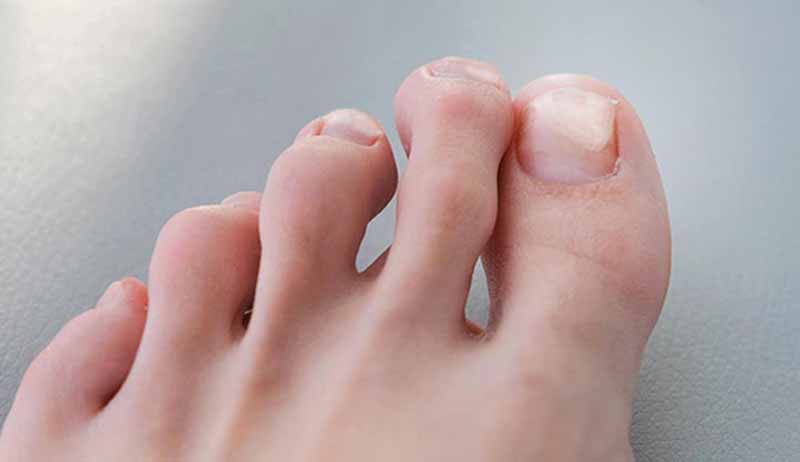

Nail separation, medically known as onycholysis, is a common condition in which the nail plate lifts away from the nail bed underneath. It usually begins at the free edge of the nail and gradually moves backward toward the cuticle. A visible gap forms between the nail and the skin. This gap can trap moisture, dirt, and bacteria. Once the nail has separated, it cannot reattach on its own. The detached portion must grow out, and a new nail must form in its place. Fingernails take about four to six months to fully regrow; toenails can take a year or longer.
Common Symptoms of Nail Separation
The signs of onycholysis are usually easy to notice once you know what to look for. The most common symptom is a white, yellow, or opaque patch under the tip of the nail. The nail may look like it is lifting away from the finger or toe. In some cases, the separated area becomes darker or greenish, especially if bacteria are present.
Other symptoms include a visible gap between the nail plate and the nail bed, debris trapped underneath, and a change in the shape or curve of the nail. The nail may feel loose or unstable. If an infection develops, the area can become red, swollen, warm, and painful. Sometimes there is pus or a bad odour. In mild cases, there may be no pain at all, which is why many people ignore the problem until it becomes worse.
What Causes Nail Separation?
Nail separation has many possible causes. Often, it is the result of several factors working together.
Physical trauma is one of the most common causes. Stubbing a toe, dropping something on a finger, or repeatedly pressing the nail against a hard surface can lift the nail plate. Tight shoes that press on the toes during walking can also cause separation over time. Using your nails as tools—opening cans, peeling stickers, or scraping surfaces—creates stress that weakens the bond between the nail and the nail bed.
Moisture and irritants are major contributors. When nails are frequently wet, the nail plate swells and then shrinks as it dries. This repeated cycle weakens the seal. Cleaning products, detergents, and harsh soaps can strip natural oils and irritate the skin under the nail. If water or chemicals get trapped in the gap, they can cause further separation.
Fungal infections are another common cause. A fungal infection can make the nail thick, yellow, brittle, and crumbly. As the infection spreads, the nail may lift from the nail bed. This is more common on toenails than fingernails.
Skin conditions such as psoriasis can affect the nails and cause detachment. About half of people with psoriasis experience nail changes. Eczema and lichen planus can also affect the nail unit.
Allergic reactions to nail products are increasingly recognized as a cause. Gel polish, acrylics, and some nail glues contain acrylates. If uncured product touches the skin repeatedly, it can trigger an allergic reaction. Symptoms include redness, itching, swelling, and lifting of the nail. Once an acrylate allergy develops, it is often permanent.
Medical conditions can also play a role. Thyroid disorders, especially hyperthyroidism, can cause nail separation. Iron deficiency, anaemia, and other nutritional problems can weaken the nail plate. Diabetes and poor circulation can increase the risk of infection and slow healing. Some medications, including chemotherapy drugs, can also cause nail changes.
The Hidden Dangers of Nail Separation
Nail separation is not just a cosmetic issue. It can lead to serious complications if left untreated.
The most immediate risk is infection. The gap between the nail and the nail bed is a perfect environment for bacteria and fungi. Moisture and warmth accumulate there, and the exposed tissue is vulnerable. A minor separation can quickly become a painful infection. In severe cases, the infection can spread to the surrounding skin and deeper tissues.
Fungal infections are especially persistent. Once fungus establishes itself under the nail, it is difficult to treat. It can spread to other nails and to the skin. It may require months of medication. If the infection damages the nail matrix—the growth centre under the cuticle—the new nail may grow out deformed or permanently discoloured.
Nail separation can also cause pain and interfere with daily activities. A loose nail can catch on clothing, tear further, and make it difficult to grip objects, type, or walk comfortably. For people with diabetes or poor circulation, even a small separation can become a serious medical problem.
Finally, nail separation can be a sign of an underlying health condition. Thyroid disease, psoriasis, and nutritional deficiencies all affect the nails. Ignoring the symptom may delay diagnosis and treatment of a more serious issue.
How to Prevent Nail Separation?
Prevention is mostly about reducing trauma, moisture, and irritation. The following habits can help protect your nails.
Keep nails clean and dry. Dry your hands and feet thoroughly after washing. Pay special attention to the spaces between the toes. Moisture is one of the main enemies of a healthy nail seal.
Wear gloves for wet work. Dishwashing, cleaning, and gardening expose nails to water and chemicals. A simple pair of rubber gloves protects the nail plate and prevents repeated swelling and shrinking.
Trim nails straight across. For toenails, always cut straight across. Never round the corners, as this can lead to ingrown nails. For fingernails, a gentle curve is fine, but avoid cutting too short.
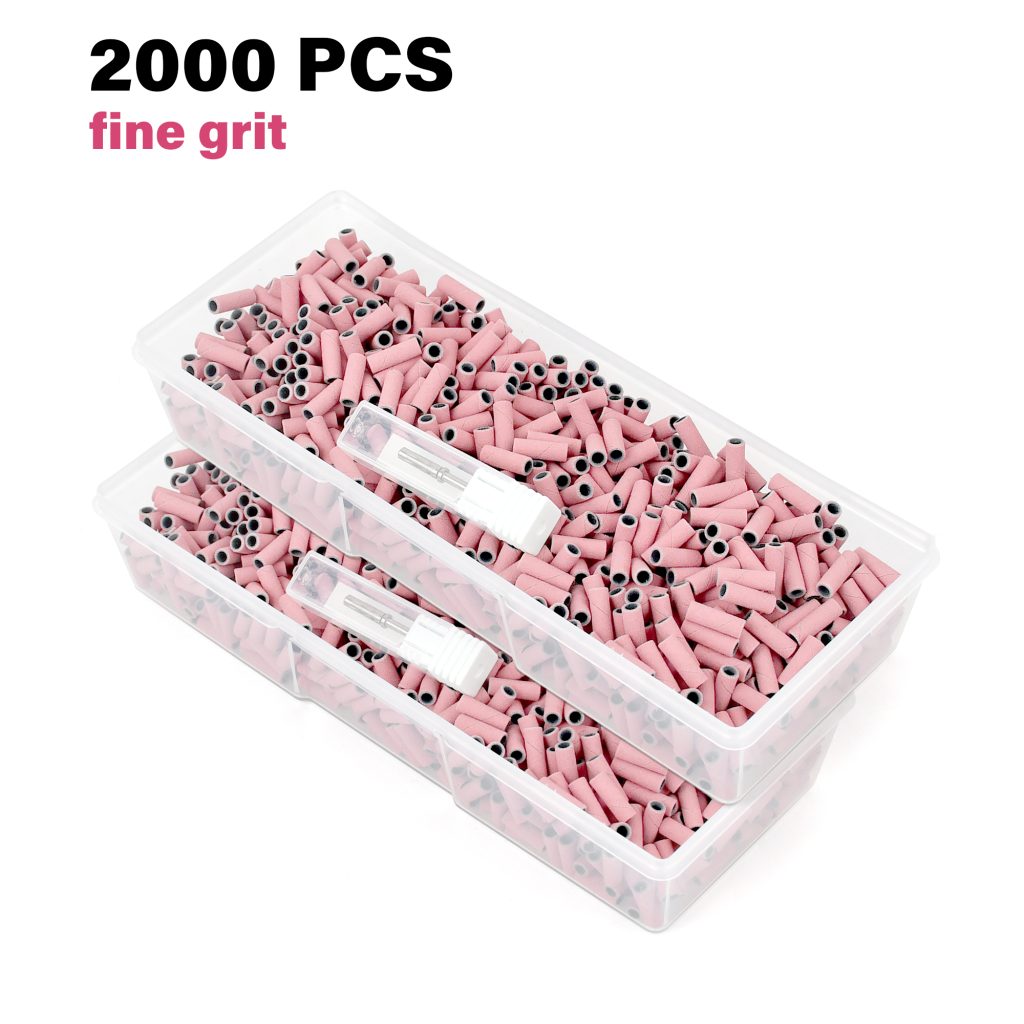
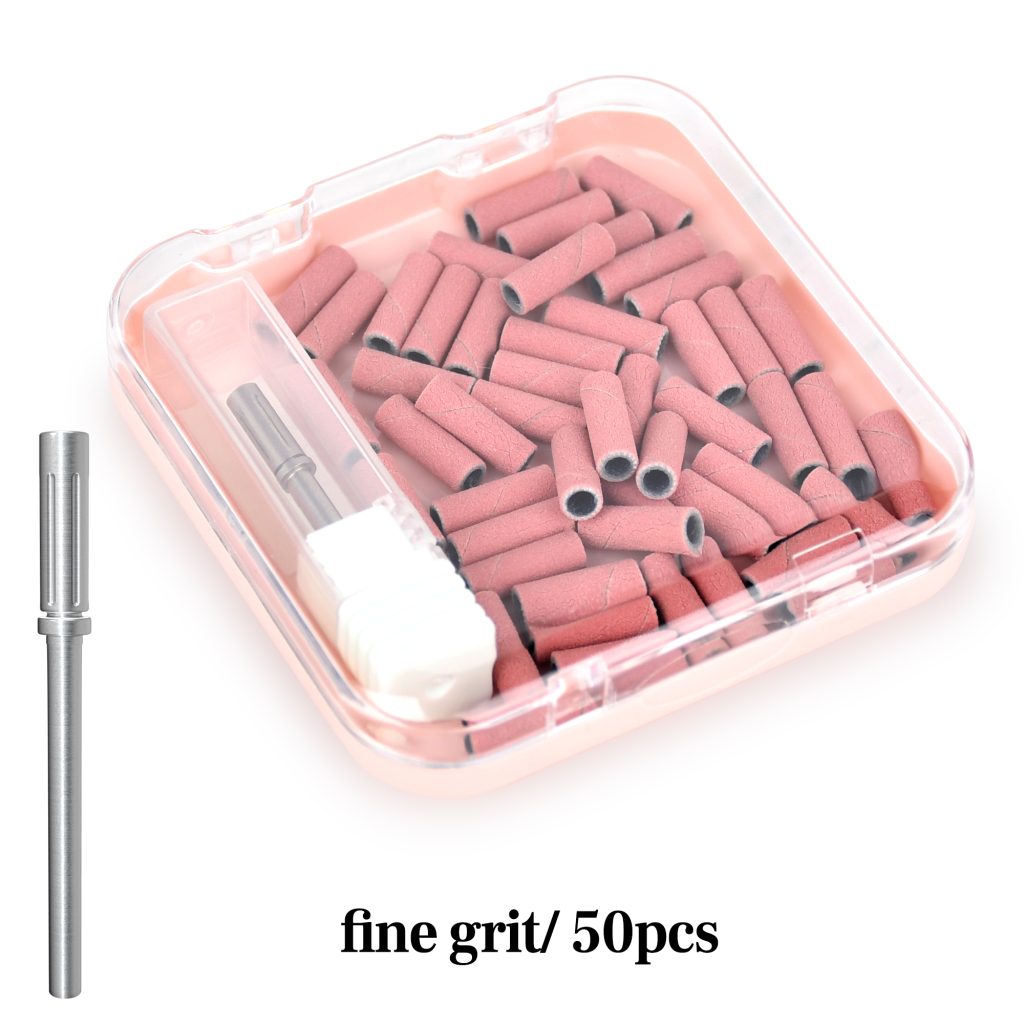
File gently. Use a fine-grit sanding band, around 180 to 240. File in one direction only. Never saw back and forth. This prevents micro-tears that can lead to peeling and lifting.
Do not use nails as tools. Keep a small opener, scissors, and other tools nearby. Do not use your nails to open packages, peel labels, or scrape surfaces.
Avoid digging under the nails. Cleaning under the nail with sharp tools can push dirt deeper and injure the nail bed. If you must clean, use a soft brush and be very gentle.
Choose proper footwear. Shoes that fit well and have a wide toe box reduce pressure on toenails. Avoid tight shoes and high heels for long periods.
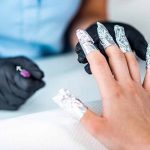
Be careful with manicures. Keep gel and acrylic off the skin. Uncured product can cause allergic reactions and nail lifting. Use thin layers, cure fully, and never peel off enhancements. Take breaks between sets.
Treat fungal infections early. If you notice thick, discoloured, or crumbling nails, see a doctor. Early treatment prevents the infection from spreading and causing separation.
Manage underlying health conditions. Keep thyroid conditions, diabetes, and nutritional deficiencies under control with your healthcare provider.
Do not cover a separated nail with polish or enhancements. This can trap moisture and make the problem worse. Let the nail breathe while it heals.
When to See a Doctor
See a healthcare professional if the separation spreads to multiple nails, if you notice redness, swelling, warmth, or pus, or if the nail becomes thick, yellow, or crumbly. People with diabetes, poor circulation, or a weakened immune system should seek medical advice promptly. A doctor can identify the cause and recommend the right treatment.
Nail separation is common, but it is not something you have to live with forever. Most cases improve with gentle care and patience. Protect the nail from trauma and moisture. Keep it clean and dry. Do not cover it with polish. Treat infections early. And give your nails time to grow out. With consistent care, your nails can recover and become healthy again.
Read also: The Complete Guide to Removing Artificial Nails: Methods, Tips, and Aftercare